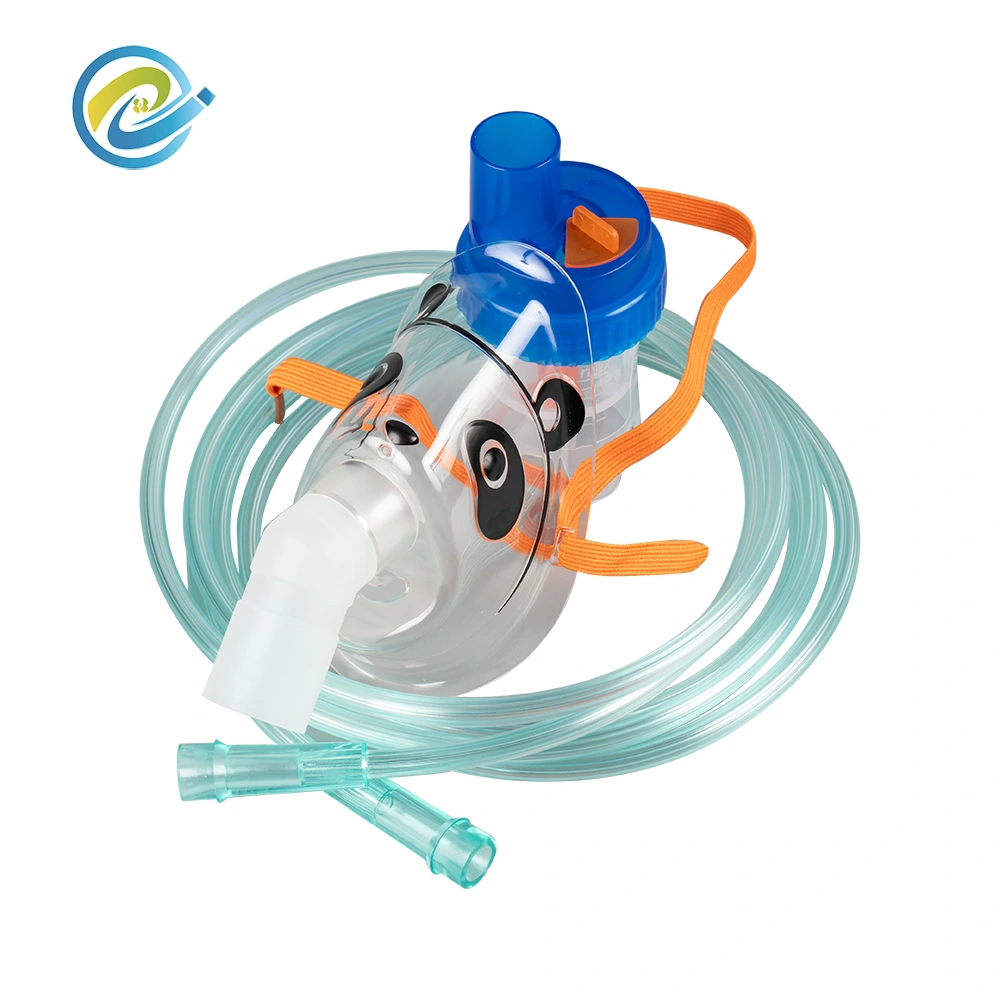



Anesthesia Mask
Jianeng Medical là nhà sản xuất chuyên nghiệp của Trung Quốc với nhiều năm kinh nghiệm trong lĩnh vực thiết bị đường thở y tế. Mặt nạ gây mê của nó cung cấp khí gây mê và oxy một cách chặt chẽ, có đệm mềm bơm hơi và vật liệu cấp y tế trong suốt với nhiều kích cỡ có sẵn. Nó đảm bảo chất lượng ổn định, hỗ trợ số lượng lớn và bán buôn, lý tưởng cho các phòng mổ, ICU và khoa cấp cứu.
Gửi yêu cầu
Mô tả Sản phẩm
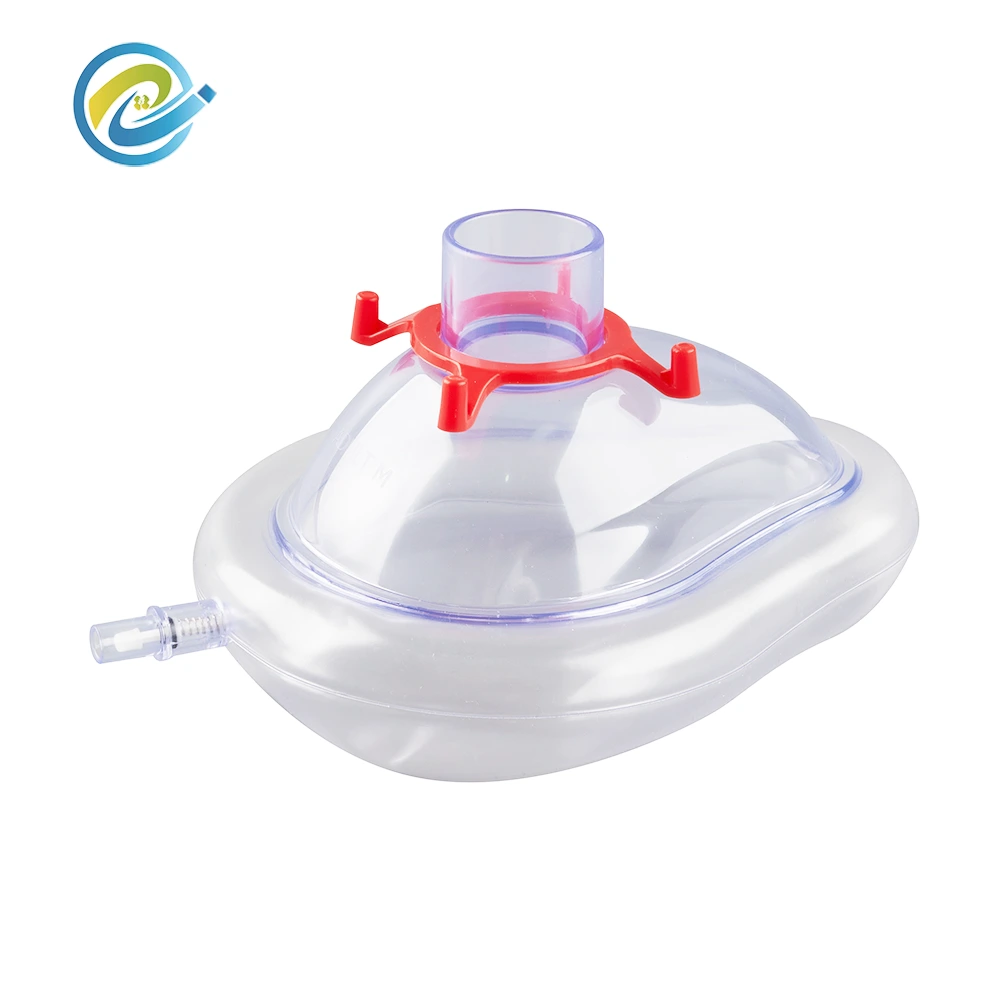
The anesthesia mask is a fundamental medical device commonly used in general anesthesia and assisted ventilation. It is primarily designed to steadily deliver anesthetic gases or oxygen to the patient’s respiratory tract, facilitating induction and maintenance of anesthesia. By forming an airtight seal over the patient’s face, it minimizes gas leakage while enabling medical staff to effectively control the depth of anesthesia.
Widely applied in operating rooms, emergency departments, and intensive care units, anesthesia masks also play a key role in anesthesia induction, short-term ventilation support, and respiratory management during patient recovery.
Thành phần & Thiết kế Kết cấu
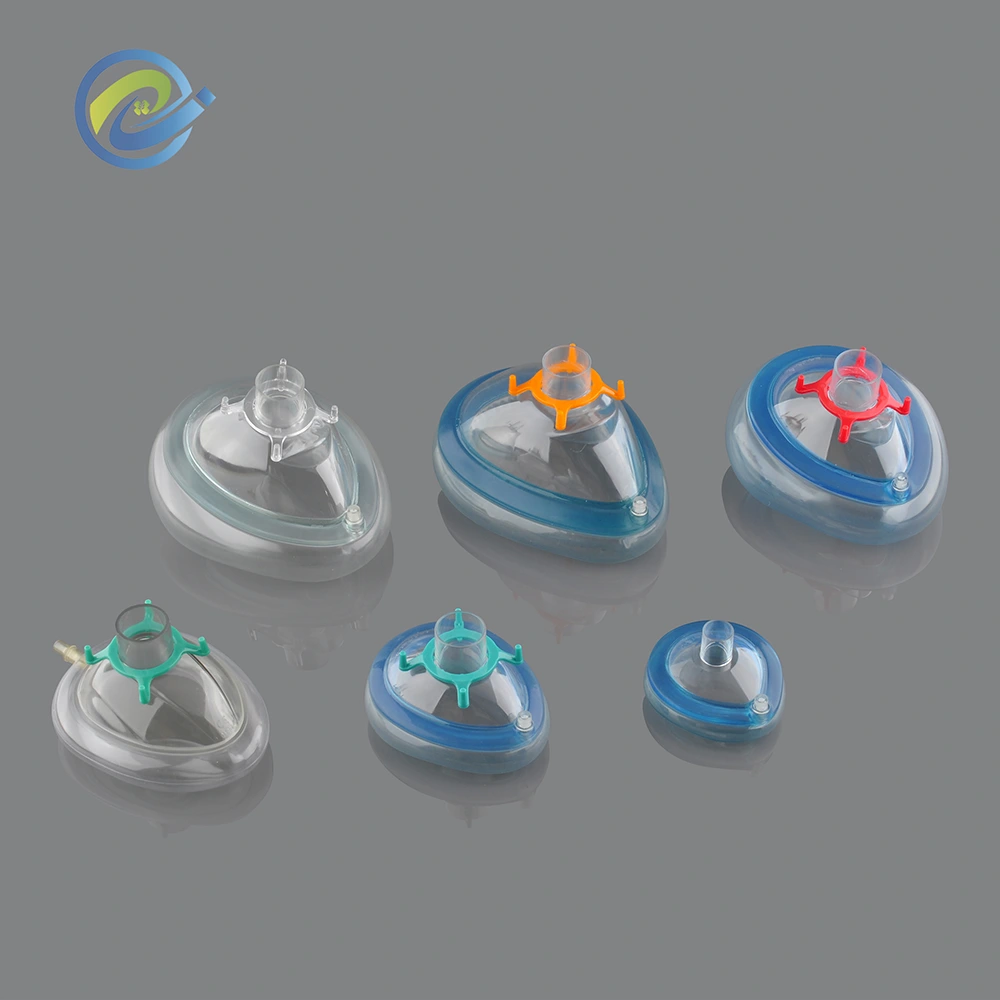
An anesthesia mask typically consists of three core components:
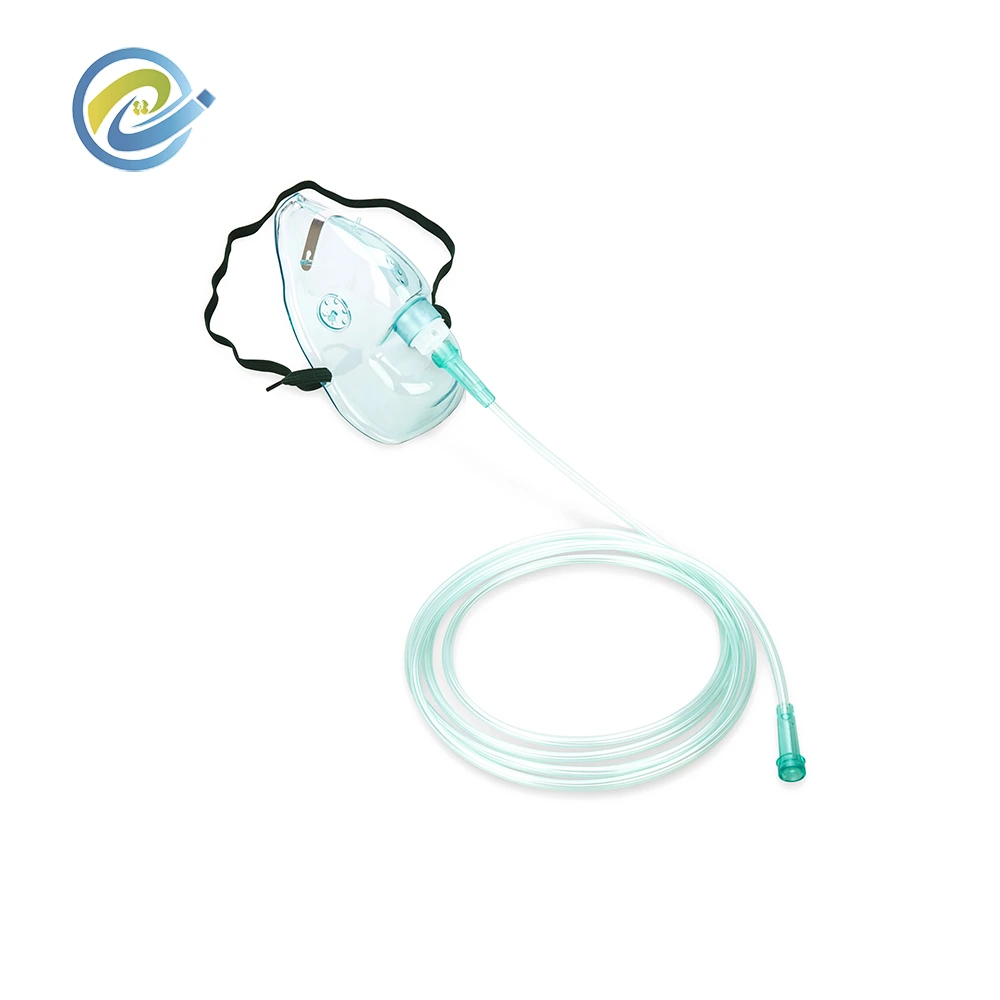
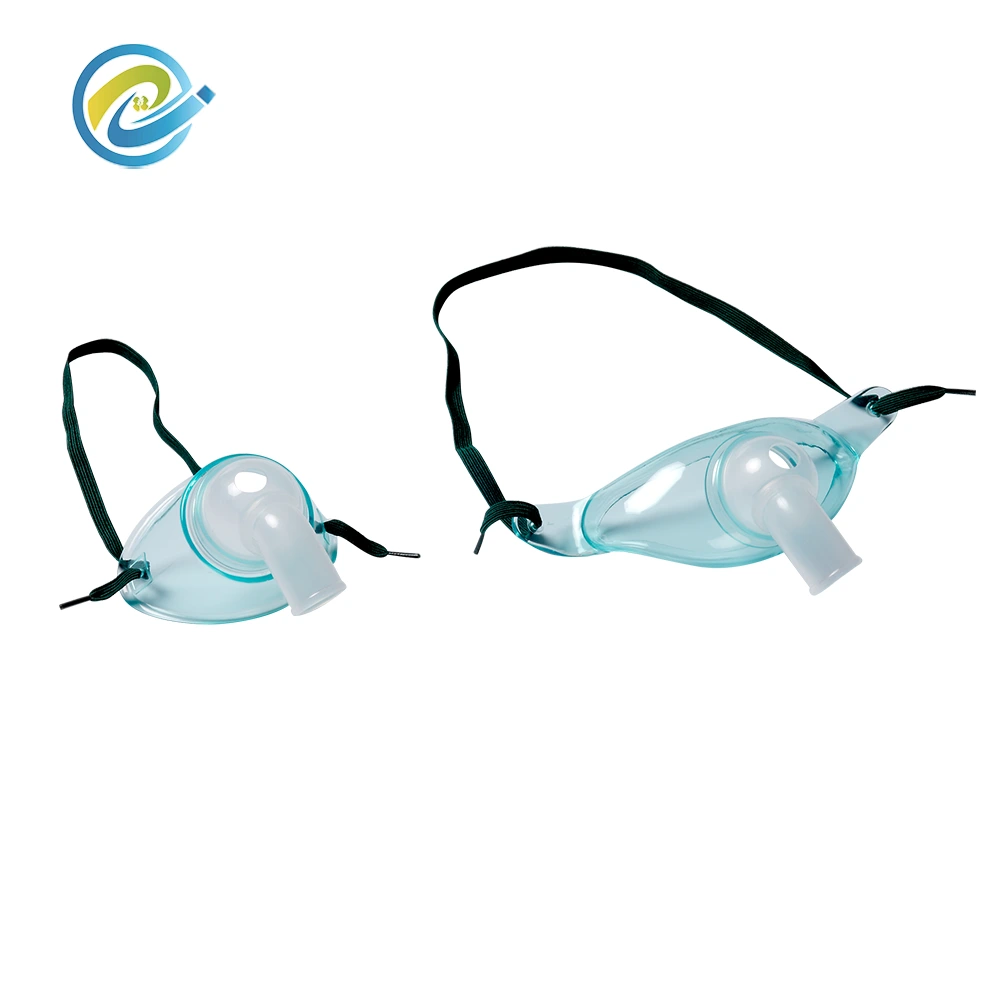
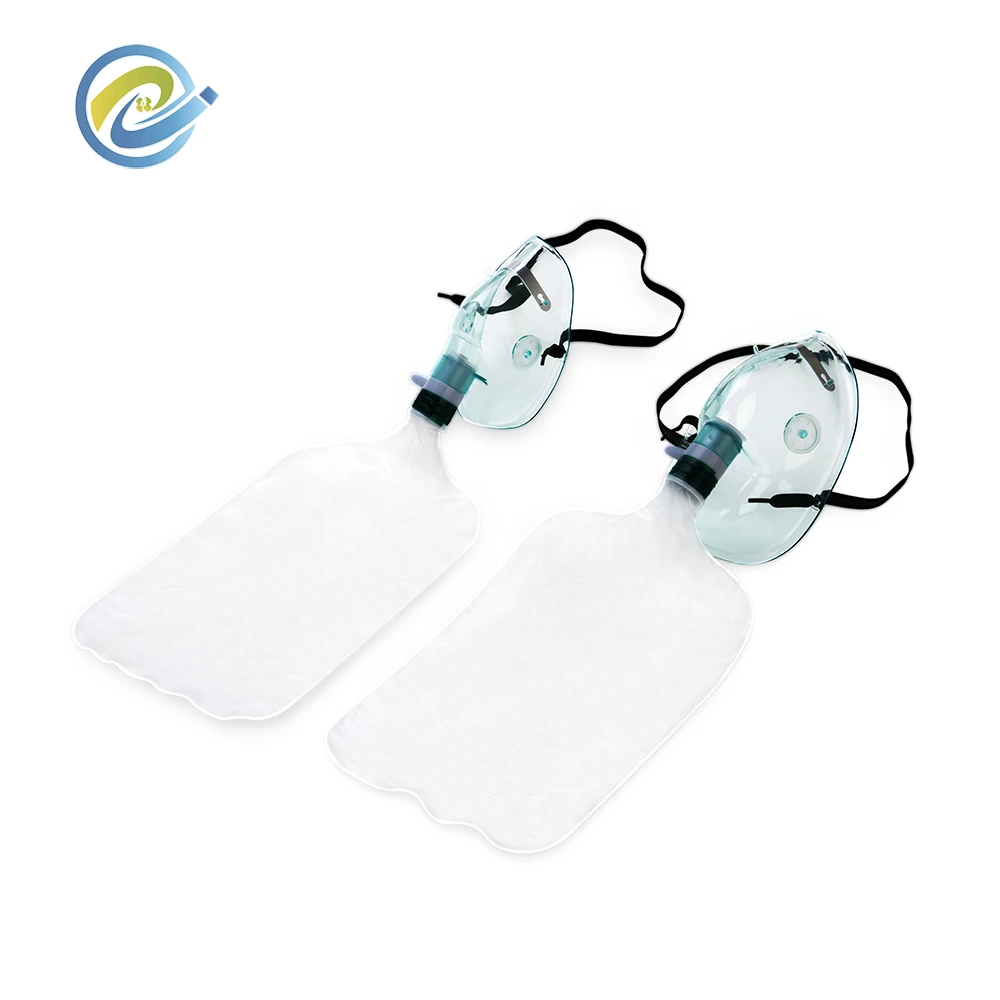
Mask body: Directly covers the patient’s nose and mouth for facial fitting
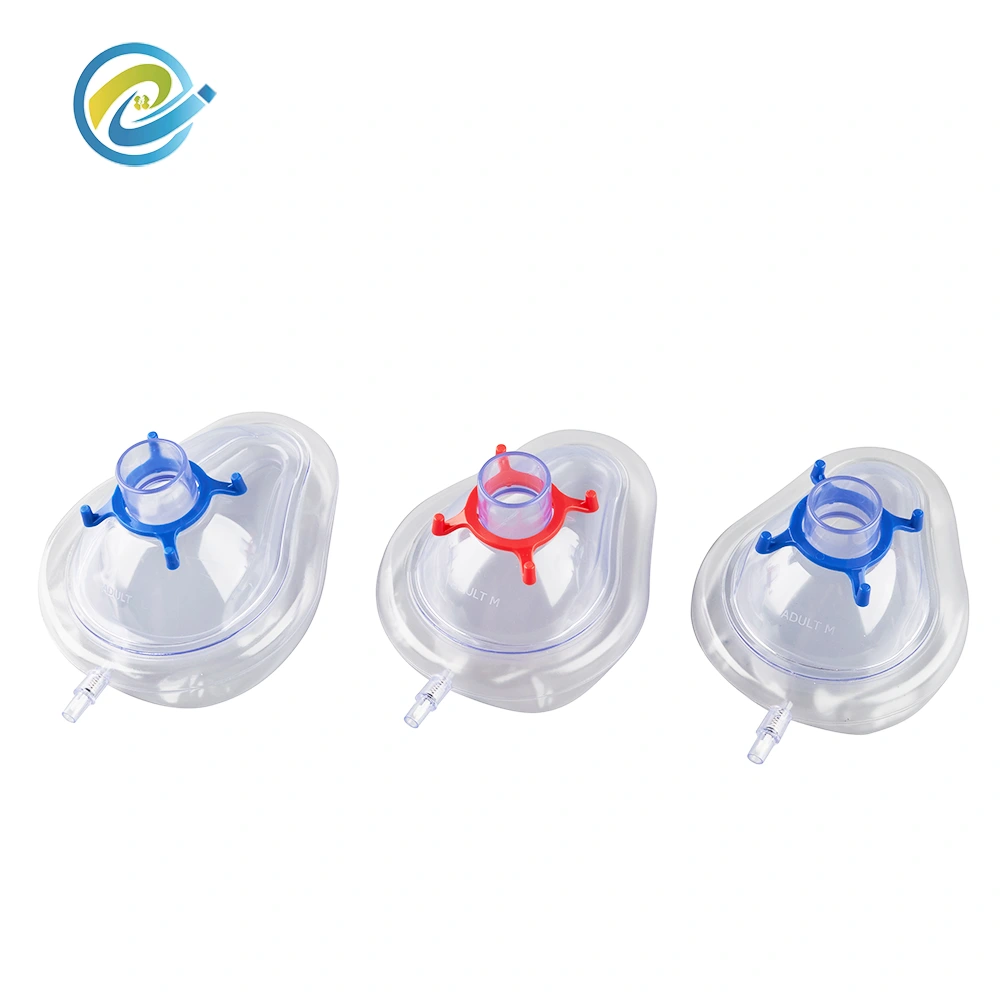
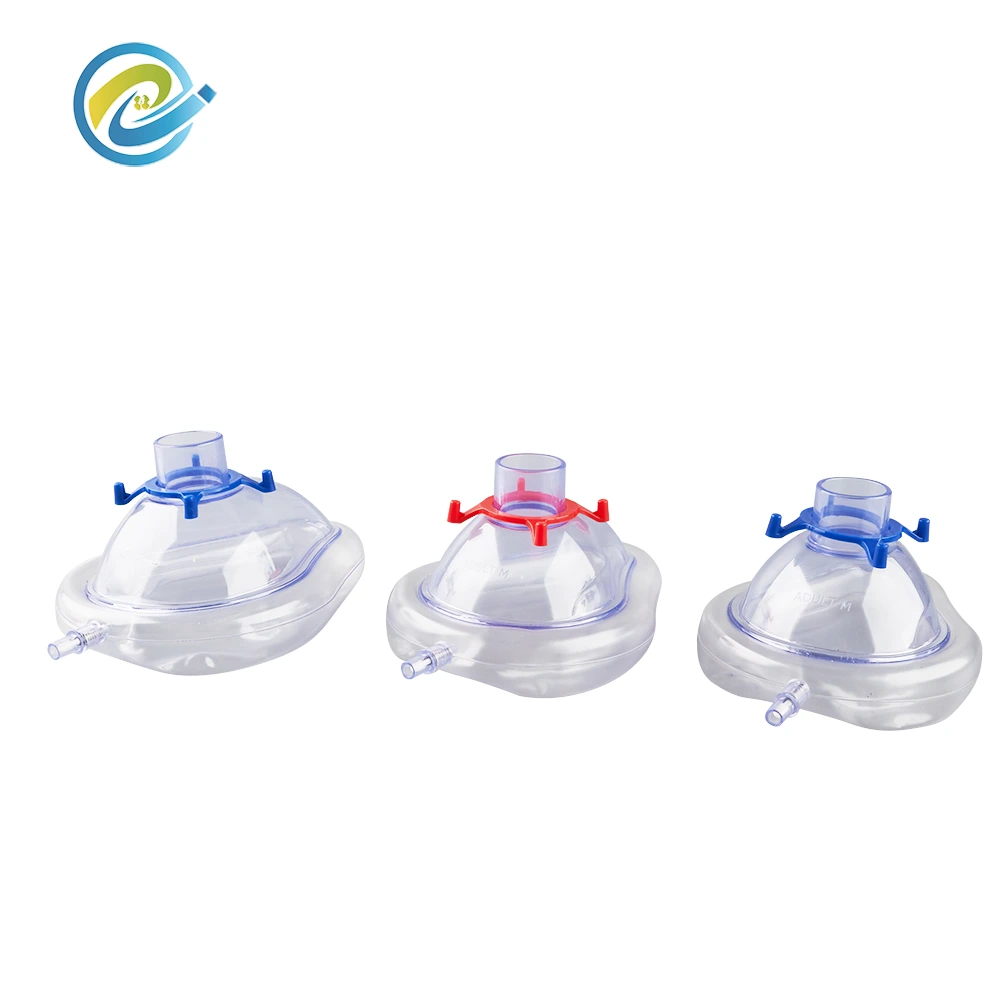
Air Cushion: Inflatable ring around the mask edge to enhance sealing performance
Connection port & hanger: For attaching breathing circuits or anesthesia circuits
The inflatable cushion allows clinicians to adjust air volume according to facial contours, ensuring a secure fit and minimizing leakage regardless of patient positioning or procedural conditions.
Tính năng sản phẩm
Đệm bơm hơi mềm
The padded edge cushion reduces facial pressure and improves patient tolerance during prolonged use.
Chất liệu y tế có độ trong suốt cao
Odorless and fully transparent for clear observation of lip color, respiratory status, and condensation buildup.
Phạm vi đa kích thước
Available in adult, pediatric, and infant sizes to accommodate patients of all age groups.
Lạm phát có thể điều chỉnh
Inflatable and deflatable design enables flexible sealing adjustments for optimal facial conformity.
Thân thiện với thao tác bằng một tay
Ergonomic front protrusion and curved profile allow secure one-handed placement during anesthesia induction.
Chức năng cốt lõi & Giá trị lâm sàng
The primary function of the anesthesia mask is to achieve efficient, airtight delivery of anesthetic gases. Its superior sealing minimizes anesthetic gas leakage and maintains stable inhaled concentrations, enabling precise control of anesthesia depth.
In clinical practice, this design not only enhances the controllability of anesthesia management but also reduces occupational exposure to waste anesthetic gases, elevating overall procedural safety.
Thông số sản phẩm
|
tham số |
Chi tiết |
|
Vật liệu |
Nhựa y tế |
|
Màu sắc |
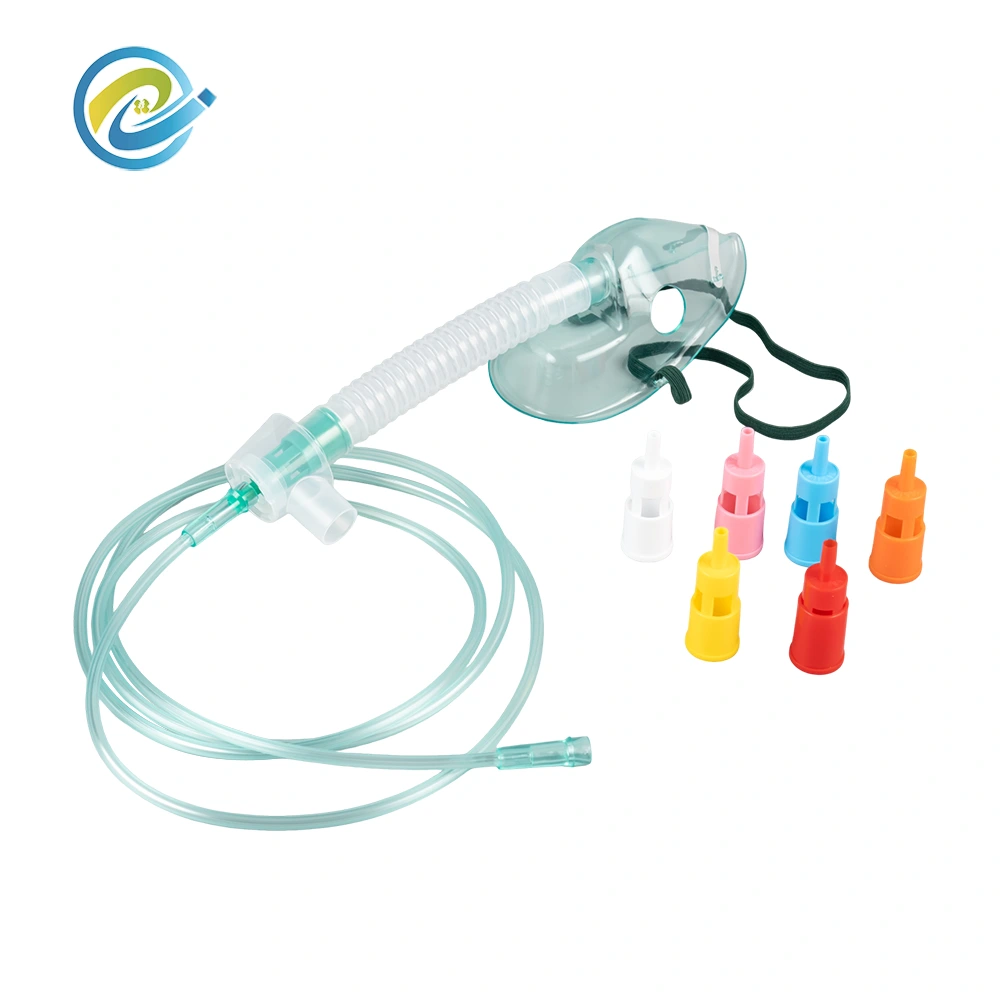
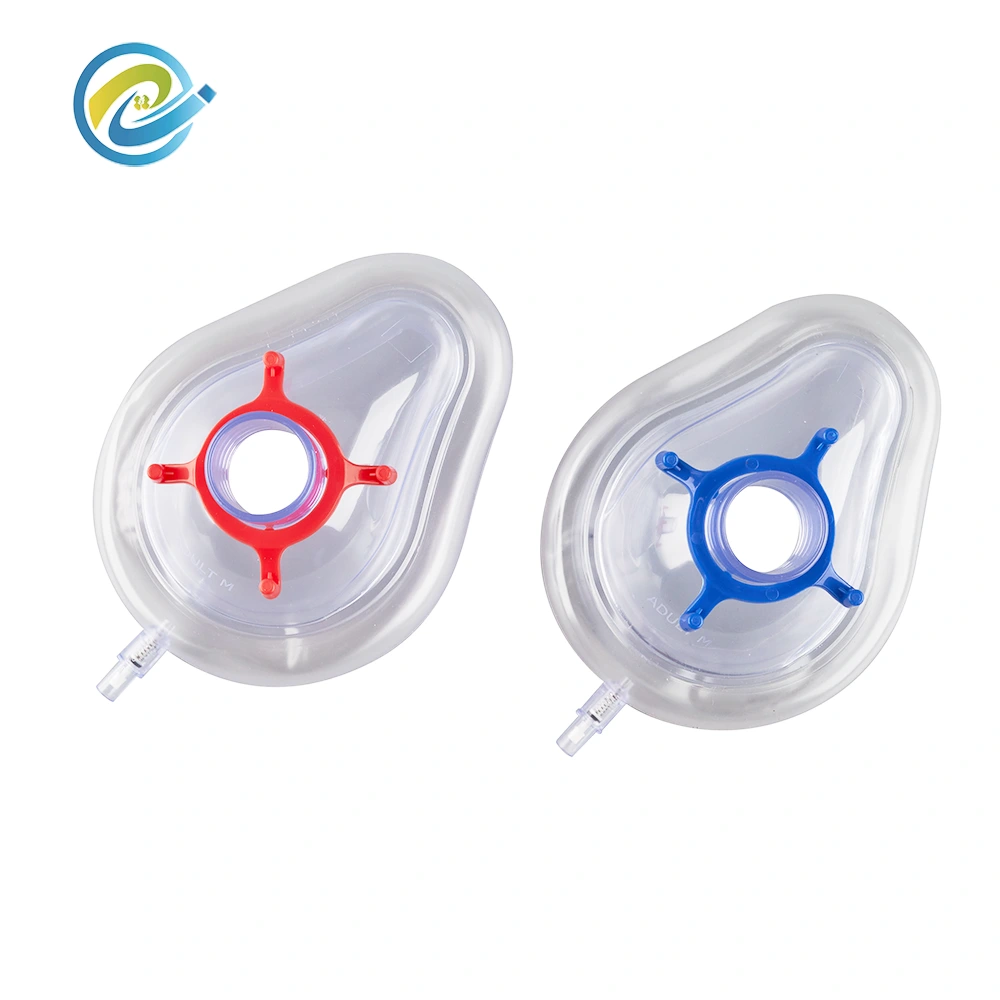
Transparent body with color-coded hangers |
|
Kích cỡ |
Người lớn, Trẻ em, Trẻ sơ sinh |
|
Linh kiện |
Thân mặt nạ + móc treo |
Color-coded sizing enables quick clinical identification and selection, reducing the risk of errors during use.
Kịch bản ứng dụng
Anesthesia masks are commonly used in the following scenarios:
Khởi mê và duy trì gây mê toàn thân
Short-term mask ventilation in emergency settings
Hỗ trợ hô hấp trong chăm sóc đặc biệt
Respiratory management during anesthesia recovery and patient transfer
When used in compliance with standards, anesthesia masks provide stable, reliable airway management support across diverse clinical environments.
Thẻ nóng: Mặt nạ gây mê, Nhà sản xuất, Nhà cung cấp, Nhà máy
Danh mục liên quan
Bộ lọc hệ thống thở
Bộ trao đổi nhiệt và độ ẩm
Máy đo phế dung khuyến khích
Mặt nạ
Phòng hàng không
Phụ kiện kiểm tra chức năng phổi
Máy phun
Chăm sóc tại nhà Sản phẩm khác
Mạch thở dùng một lần
Gửi yêu cầu
Xin vui lòng gửi yêu cầu của bạn trong mẫu dưới đây. Chúng tôi sẽ trả lời bạn trong 24 giờ.
Những sảm phẩm tương tự